
Have you ever looked at an electrical outlet and wondered how to safely remove wires from it? Maybe you’re moving to a new home or fixing something that’s broken. Don’t worry - you’re not alone! Many people feel scared when they think about working with electrical wires. But with the right steps, you can learn how to release wire from outlet safely.
Today, we’ll walk through everything you need to know. We’ll use simple words and easy steps that anyone can follow. Think of this as your friendly guide to understanding electrical outlets better.
What You Need to Know Before Starting
Before we learn how to release wire from outlet, let’s talk about safety first. Electricity can be dangerous if we don’t handle it properly. But don’t let that scare you! With the right preparation, you can do this safely.
Always Remember These Important Rules:
- Turn off the power before you start
- Use the right tools
- Ask for help if you’re not sure
- Never work with wet hands
Think of electricity like a sleeping lion. It’s safe when it’s turned off, but you don’t want to wake it up by accident!
Understanding Your Electrical Outlet
Let’s start by learning about electrical outlets. An outlet is like a doorway where electricity comes into your home. Behind that outlet, there are wires that carry electricity to power your lights, TV, and other things you use every day.
Most outlets have different colored wires inside:
- Black wires (these carry electricity)
- White wires (these bring electricity back)
- Green or bare wires (these keep you safe)
When you need to release wire from outlet, you’re basically opening this doorway and carefully removing these wires.
Why Would You Need to Release Wires?
There are several reasons why someone might need to release wire from outlet:
- Moving an outlet to a different spot
- Replacing an old outlet with a new one
- Fixing a broken outlet
- Adding a new type of outlet (like one with USB ports)
Tools You’ll Need
Before you start, let’s gather the right tools. Having the correct tools makes the job much easier and safer. It’s like having the right key to open a door!
Basic Tools for the Job:
- Screwdriver (both flat and Phillips head)
- Wire nuts (small plastic caps)
- Electrical tape
- Voltage tester (this tells you if electricity is on or off)
- Needle-nose pliers
You can find these tools at any hardware store. The people who work there are usually very helpful if you need advice on which tools to buy.
Testing for Power
The most important tool is your voltage tester. This little device tells you if there’s electricity flowing through the wires. Think of it as your safety guard that warns you about danger.
Step-by-Step Guide to Release Wire from Outlet
Now let’s learn the actual steps to release wire from outlet. We’ll go slowly and carefully, just like learning to ride a bike for the first time.
Turn Off the Power
This is the most important step! Go to your home’s electrical panel (the box with all the switches). Find the switch that controls the outlet you want to work on. Flip that switch to “OFF.”
If you’re not sure which switch controls your outlet, you can test by plugging in a lamp. Turn switches off one by one until the lamp goes out. You can also read How Long to Wait Between Coats of Paint: A Simple Guide for Perfect Results.
Test That Power is Really Off
Even after turning off the switch, always test to make sure there’s no electricity. Use your voltage tester on the outlet. If it doesn’t beep or light up, you’re good to go. If it does make noise or light up, the power is still on, and you need to find the right switch.
Remove the Outlet Cover
Use your screwdriver to remove the screws holding the plastic cover on the outlet. There are usually two screws - one at the top and one at the bottom. Keep these screws in a safe place so you don’t lose them.
Pull Out the Outlet
Now you’ll see two more screws holding the actual outlet to the wall. Remove these screws carefully. Once they’re out, you can gently pull the outlet toward you. Don’t pull too hard - remember, there are still wires connected.
Understanding Wire Connections
When you look at the back of your outlet, you’ll see wires connected in different ways. Understanding these connections helps you know how to release wire from outlet properly.
Types of Wire Connections
Screw Terminals: These look like little screws with wires wrapped around them. The wire goes around the screw, and then the screw gets tightened to hold it in place.
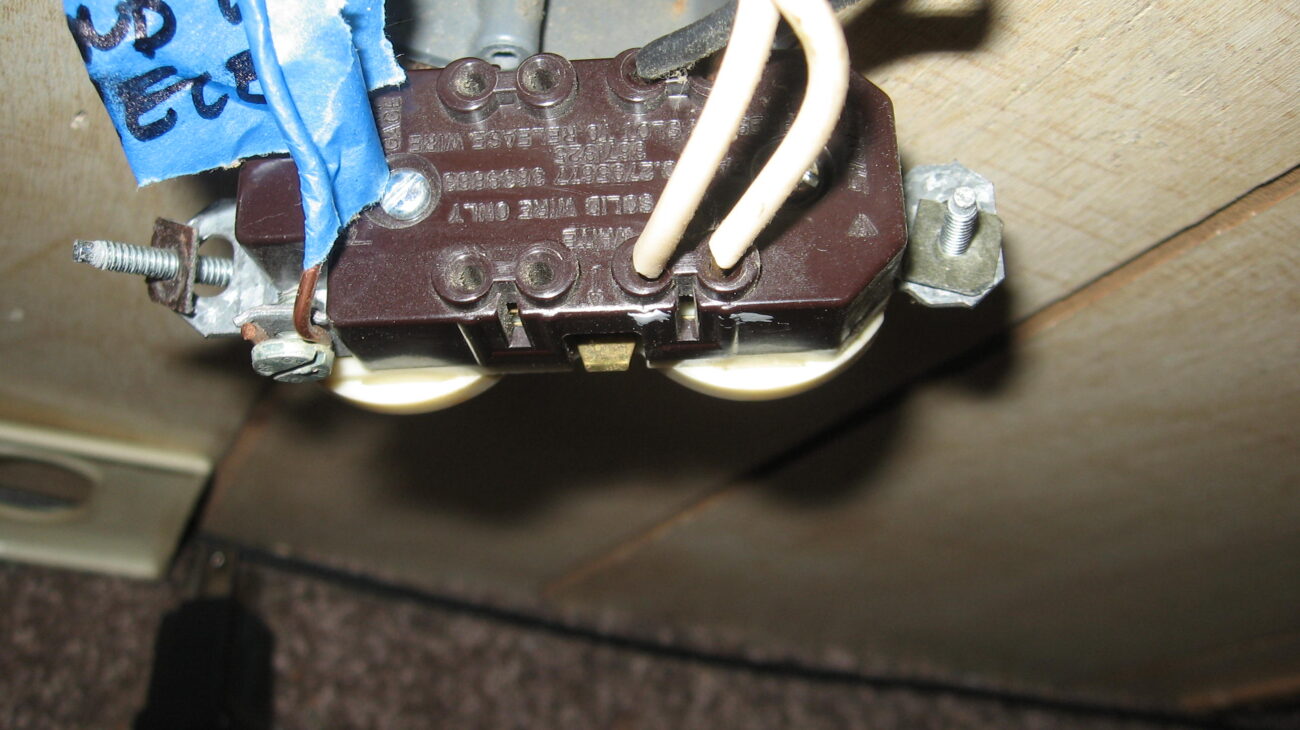
Push-In Connections: Some outlets have little holes where you can push wires straight in. These are called “back-stab” connections.
Wire Nuts: Sometimes wires are connected together with small plastic caps called wire nuts.
How to Release Each Type
For screw terminals, simply loosen the screw with your screwdriver. The wire will come free once the screw is loose enough.
For push-in connections, look for a small slot next to each wire hole. Insert a small screwdriver into this slot while gently pulling the wire. The wire should come out easily.
Safely Removing the Wires
Now comes the moment you’ve been preparing for - actually removing the wires! Take your time with this step. There’s no need to rush.
Removing Wires from Screw Terminals
Start with the green or bare wire (the safety wire). Loosen the green screw until the wire comes free. Next, remove the white wire from the silver screw. Finally, remove the black wire from the brass or dark-colored screw.
As you remove each wire, take a picture with your phone. This helps you remember how everything was connected if you need to put it back together later.
Removing Push-In Wires
For push-in connections, find the release slot next to each wire. It’s usually a small rectangular opening. Insert a small screwdriver or similar tool into this slot. While holding the tool in the slot, gently pull the wire straight out.
Sometimes these wires can be stubborn. Don’t yank on them! Instead, wiggle them gently while keeping pressure on the release slot.
What to Do After Removing Wires
Congratulations! You’ve successfully learned how to release wire from outlet. But your job isn’t quite finished yet. You need to make everything safe.
Capping the Wires
If you’re not immediately connecting these wires to something new, you need to cap them safely. Use wire nuts to cover the end of each wire. This prevents the wires from touching each other or anything else that could cause problems.
Think of wire nuts like little hats for your wires. They keep everything safe and tidy.
Organizing Your Work Area
Keep your work area clean and organized. Put the old outlet and screws in a safe place. If you’re planning to install a new outlet, now is a good time to prepare for that step.
Common Mistakes to Avoid
Learning how to release wire from outlet is pretty straightforward, but there are some common mistakes people make. Let’s talk about these so you can avoid them.
Not Testing for Power
The biggest mistake is forgetting to test that the power is really off. Always, always check with your voltage tester before touching any wires. Even experienced electricians do this every single time.
Rushing the Process
Take your time! There’s no prize for finishing quickly. Working slowly and carefully is much safer and usually leads to better results.
Not Taking Pictures
Before you start removing wires, take pictures of how everything is connected. These pictures are like a map that helps you put everything back together correctly.
Using the Wrong Tools
Using the right tools makes the job easier and safer. Don’t try to use a butter knife instead of a screwdriver, or use pliers when you need a voltage tester.
When to Call a Professional
Sometimes it’s best to call a professional electrician instead of doing the work yourself. Here are some situations where you should definitely get expert help:
- If you see any damaged or burned wires
- If you smell anything burning or unusual
- If you’re not comfortable working with electricity
- If your local laws require professional installation
- If you have aluminum wiring (this needs special handling)
Remember, there’s no shame in calling for help. Professional electricians have years of training and experience. They can complete the job quickly and safely.
Troubleshooting Common Issues
Sometimes things don’t go exactly as planned when you try to release wire from outlet. Here are some common problems and how to solve them:
Stuck Wires
If a wire seems stuck, don’t force it. For screw terminals, make sure the screw is completely loose. For push-in connections, make sure you’re pressing the release mechanism properly.
Broken Wire Nuts
If a wire nut breaks while you’re removing it, don’t panic. Simply get a new wire nut of the same size and color. Wire nuts are cheap and easy to replace.
Can’t Find the Right Circuit Breaker
If you’re having trouble finding which circuit breaker controls your outlet, try using a circuit breaker finder. These tools can help identify the right breaker quickly.
Summary
Learning how to release wire from outlet doesn’t have to be scary or complicated. With the right preparation, tools, and patience, most people can do this safely.
Remember the key points: always turn off the power first, test to make sure it’s really off, use the right tools, and take your time. Whether you’re dealing with screw terminals or push-in connections, the basic principles remain the same.
Most importantly, don’t hesitate to call a professional if you’re unsure about anything. Your safety is more important than saving a few dollars.
With these skills, you’re now ready to tackle basic electrical outlet work. You’ve learned something new and useful that will serve you well in maintaining your home.
